“Strengthening Sri Lanka’s commitment to halve nitrogen waste by 2030”
Nitrogen is essential for life, but nitrogen in its reactive form (Nr) in excess can cause severe harm to people and the environment. Five principal threats of nitrogen pollution are to water quality, air quality, greenhouse-gas balance, soil quality, ecosystems and biodiversity. Managing Nr is much essential for international climate change mitigation with nitrous oxide (N2O) x 300 more warming potential than CO2. South Asia is a global hotspot for Nr emissions for the three main nitrogen compounds: nitrogen oxide, nitrous oxide and ammonia, with emission levels above global averages.
It is apparent from the national-level data that Sri Lanka's Nr emissions are rising. Multiple sectors including agriculture, transportation, industry, energy and waste sectors in Sri Lanka have increased their share of Nr pollution and related greenhouse gas (GHG) emissions due to growing anthropogenic demands over the last few decades.
Being a leading signatory to the Colombo Declaration on Sustainable Nitrogen Management, Sri Lankan government has expressed its interest to join the global community in halving nitrogen (Nr) waste by 2030. In line with our commitment to the United Nations Global Campaign on Sustainable Nr Management, Sri Lanka requires a much stronger policy environment to minimize Nr waste and shield the country from adverse effects of Nr on human health, ecosystems, bio-diversity, citizens’ social wellbeing, agricultural production and economic performance.
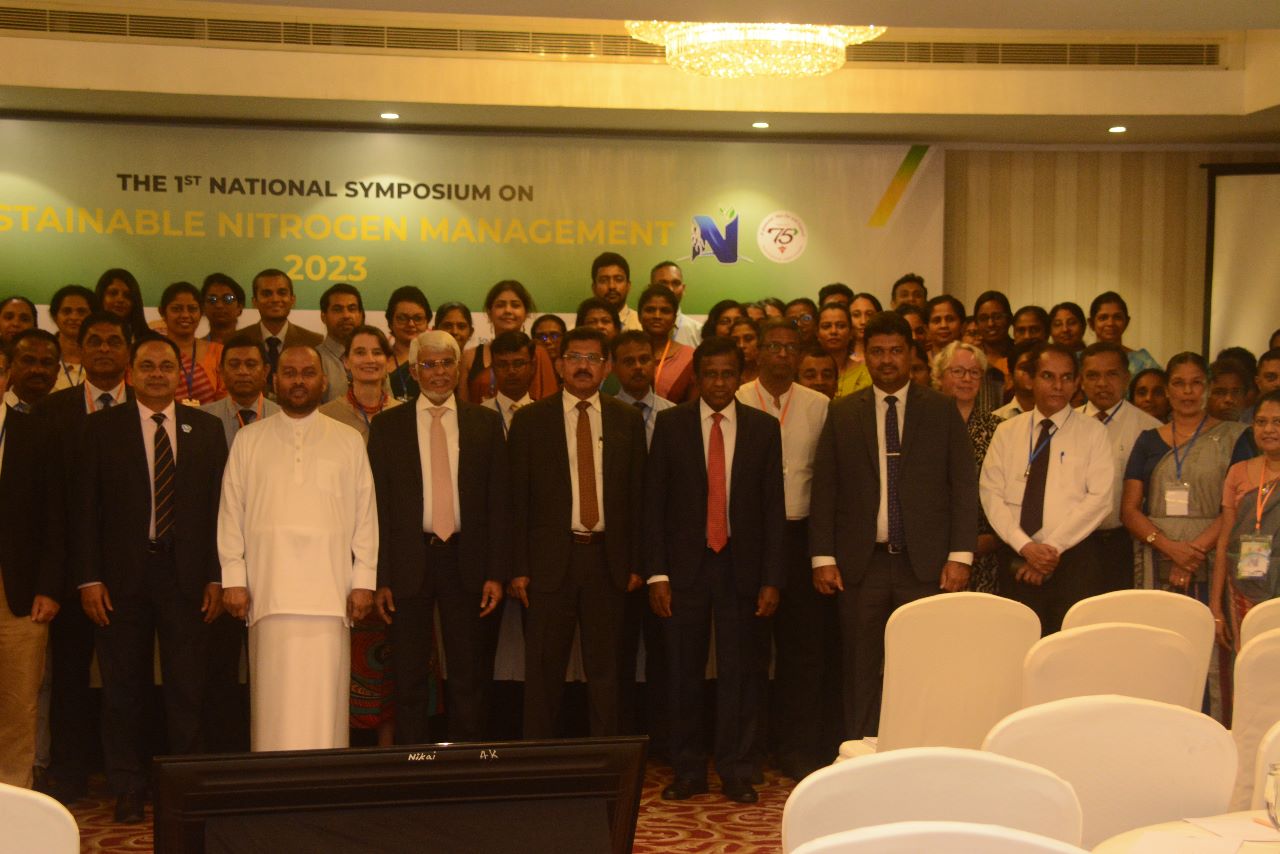
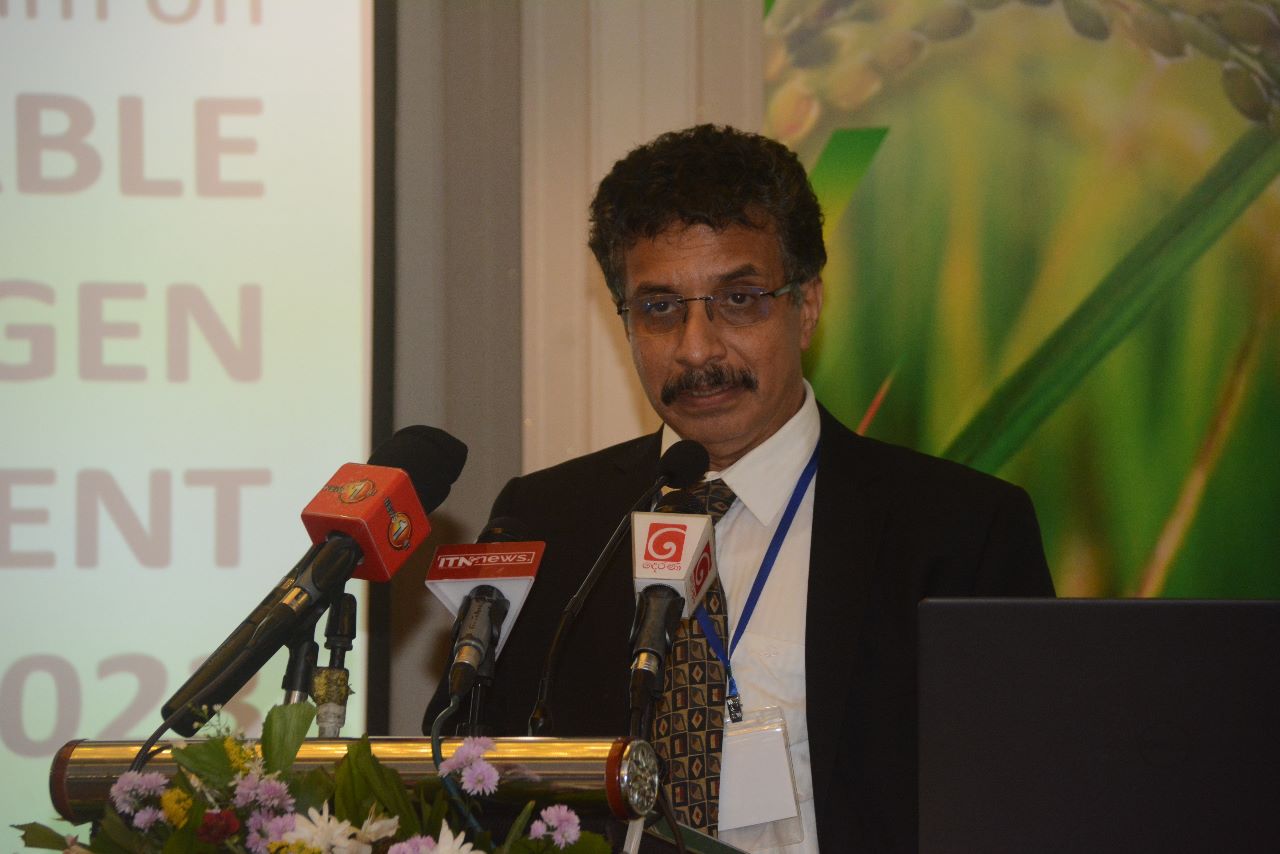
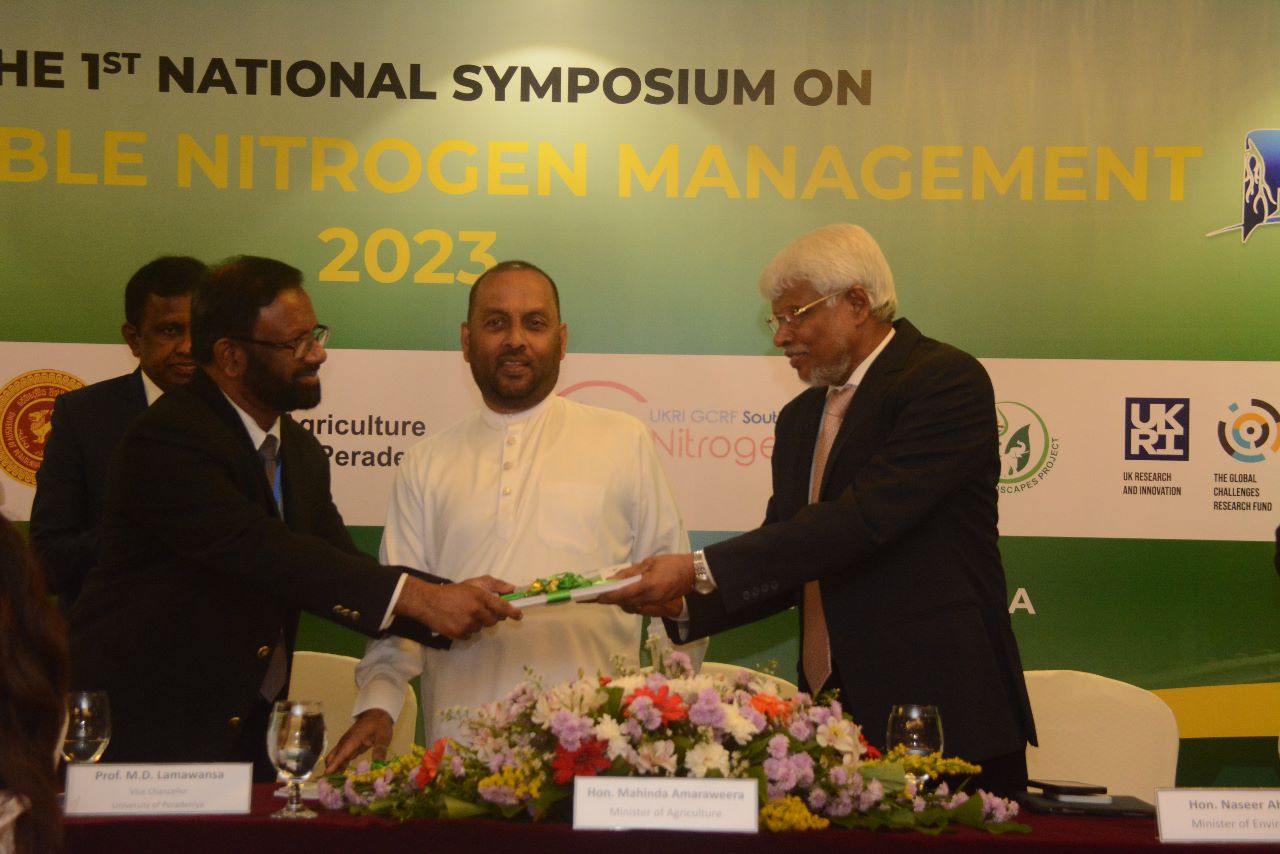
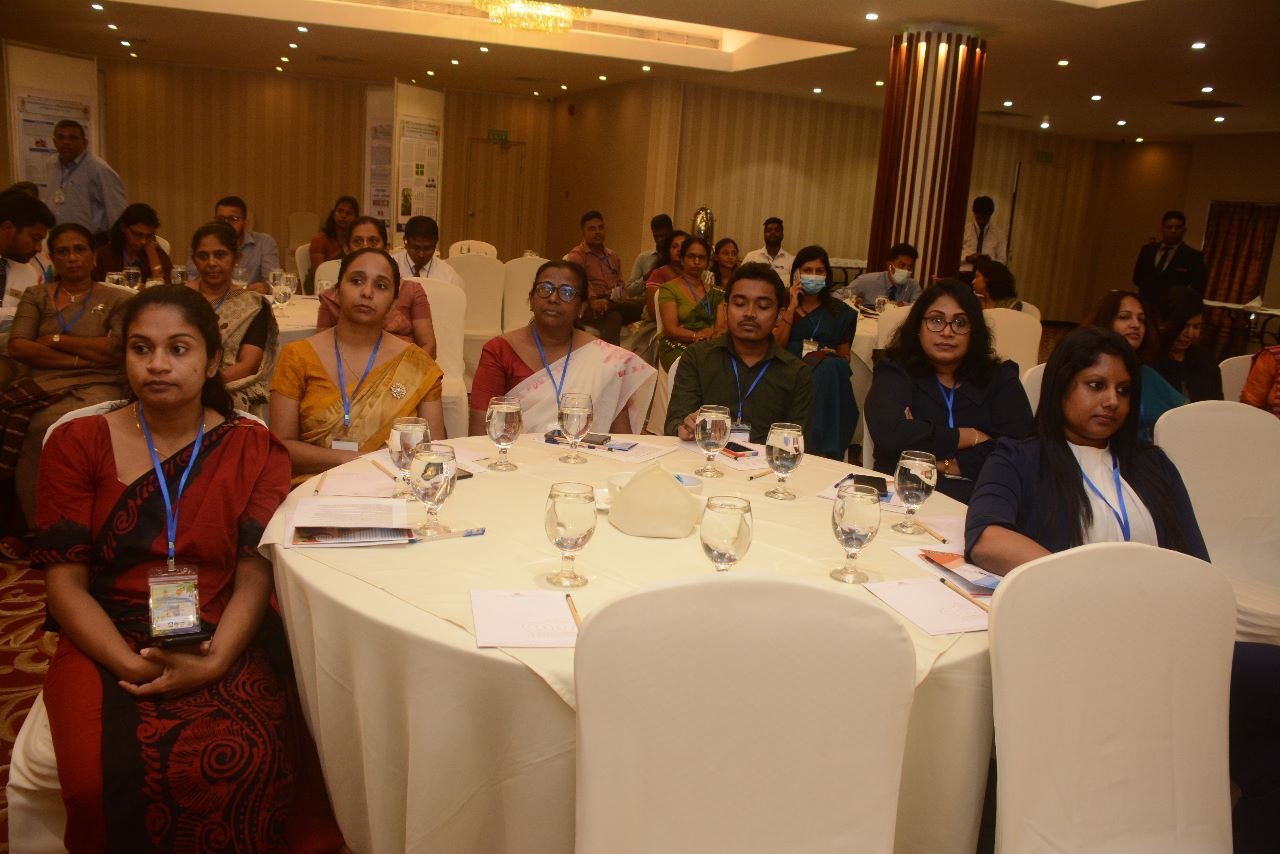
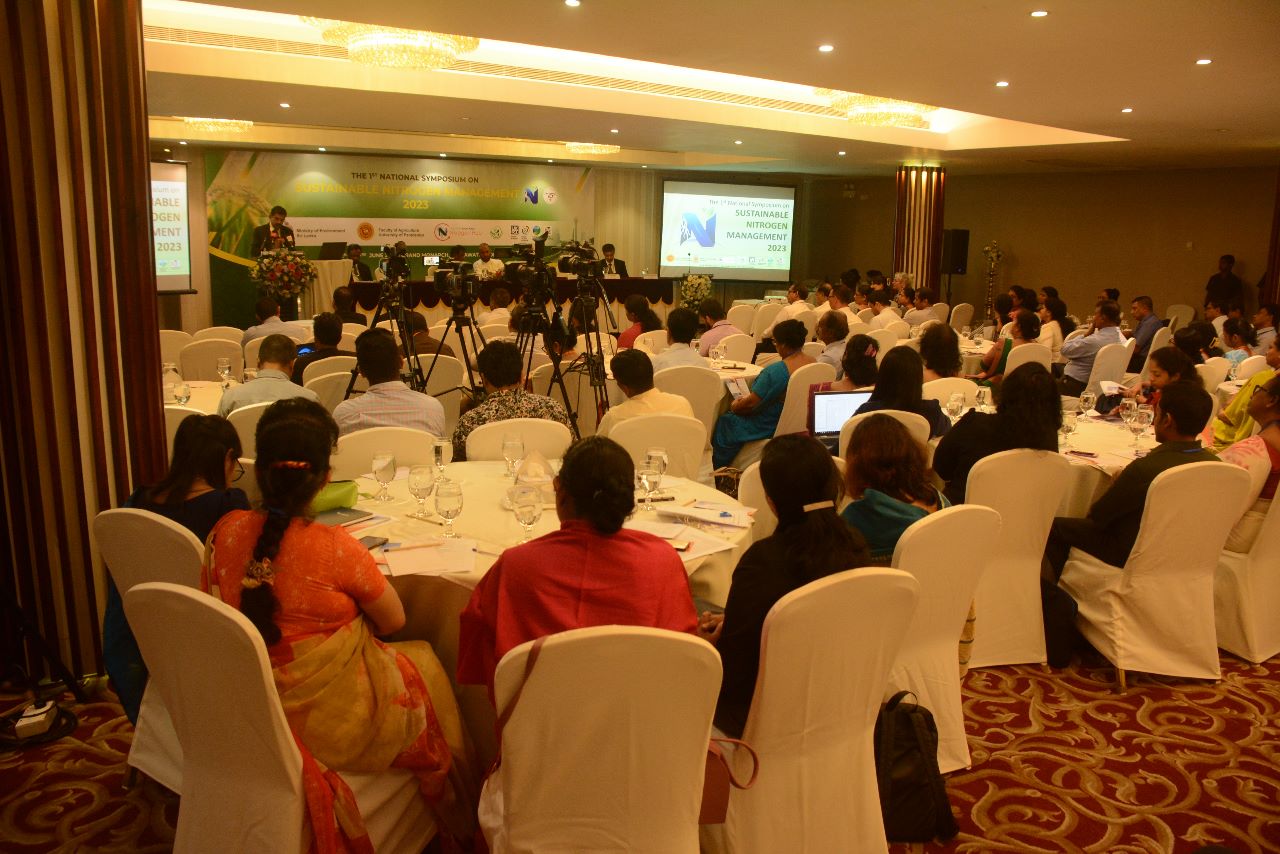
University of Peradeniya, in partnership with the Ministry of Environment, organizes the first national symposium on Sustainable Nr Management to draw insights, commitment and efforts from policy makers, academics, civil administrative officers, development practitioners, activists and all other interested stakeholders to develop a road map to halve Nr waste in Sri Lanka by 2030.
The symposium strives to achieve the following objectives
- To derive directives to develop the national action plan on sustainable nitrogen management
- To assess the current nitrogen status and national nitrogen budget
- To identify the policy gaps to minimize nitrogen pollution
- To share knowledge and experiences to explore avenues for further research, intervention, and advocacy to minimize nitrogen pollution.